Key takeaways
- The best exfoliating gloves create enough friction to lift dead skin without forcing you to press hard or overdo it.
- Choose by skin goal: a deeper texture for dry, flaky skin, and a softer texture with less frequent use for sensitive skin.
- Use the glove on warm, softened, damp skin with water only, then rinse and moisturize while skin is still slightly damp.
- For most people, once or twice a week is plenty. Most people should not use a deep exfoliating glove every day.
- Skip the glove on sunburned, cut, or irritated skin, and replace it when the texture starts to wear down.
That weirdly satisfying moment when dead skin starts rolling off in the shower? That's exactly why people go hunting for the best exfoliating gloves. A good pair does more than make skin feel softer for an hour. It can help smooth rough patches, loosen trapped debris, reduce the look of flaky buildup, and leave your body looking noticeably brighter right away.
But not all exfoliating gloves deliver that OMG-is-that-my-skin kind of payoff. Some are too gentle to do much. Others are so rough they leave skin feeling overworked instead of refreshed. The difference usually comes down to texture, fit, and how you actually plan to use them.
What makes the best exfoliating gloves actually worth it?
The best exfoliating gloves do more than feel scrubby. They create enough friction to lift away dead skin without forcing you to press hard or overdo it. That balance matters. If a glove is too soft, you end up scrubbing forever with barely any visible result. If it's too abrasive for your skin type, your shower ritual can turn into irritation fast.
So, are exfoliating gloves good for your skin? For most people, yes, as long as the texture suits your skin and you use the glove on softened skin with a light hand. Clearing away the dry surface layer makes rough areas feel smoother and helps your moisturizer sink in more evenly.
Material plays a big role here. Traditional-style exfoliating mitts and gloves often have a slightly grippy, textured weave that works especially well after skin has been softened by warm water and steam. That texture helps physically lift dull, dry skin in a way basic washcloths usually can't. If your goal is visible exfoliation, especially on the body, a glove with a stronger exfoliating surface tends to outperform smoother fabric options.
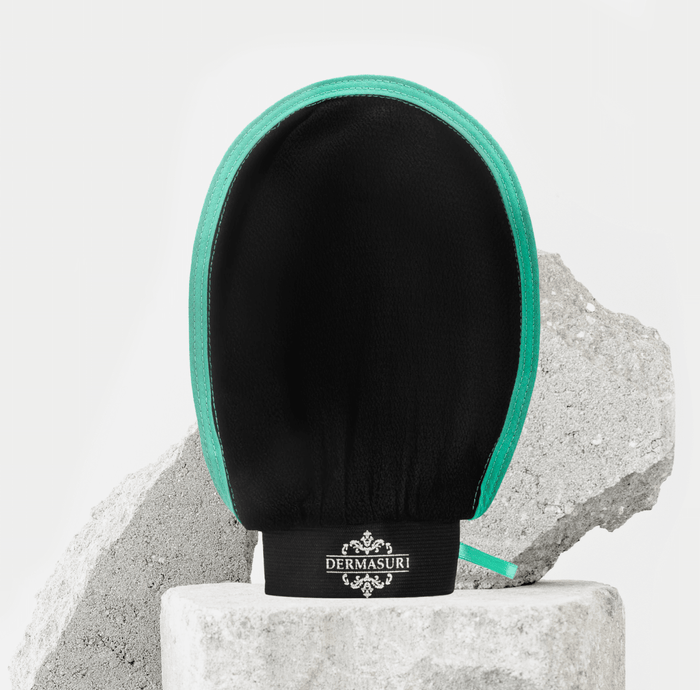
A simple test helps. Exfoliating gloves that actually work feel intentionally scrubby when wet, not slick like a regular washcloth and not sharp like a household scrubber. Our body glove, for example, is made from viscose and latex, a plant-based microfiber mesh that is activated by water, so it does its job without any soap.
Fit is another underrated detail. Loose gloves can bunch up or slip around, which makes it harder to get even pressure across areas like arms, legs, and shoulders. A glove or mitt that stays in place gives you more control, and that usually means better results with less effort.
Then there's durability. Exfoliating gloves should hold their texture after repeated use and rinsing. If the material goes limp or overly soft after a few showers, the results usually drop off too.
Shape is the last piece. A glove gives you quick, full-body control on arms, legs, and torso. A larger mitt can feel more luxe on broad areas. Thick, callused skin on heels and soles is usually better served by a separate foot tool.
Best exfoliating gloves by skin goal
If you're trying to figure out which style is best, start with your skin goal rather than whatever looks cutest hanging in the shower. The best exfoliating gloves for body care also depend on the area: what works on your shins can be too much for your chest or bikini line.
For dry, flaky skin
A deeper-textured exfoliating glove is usually the move here. Dry skin buildup tends to cling, especially on legs, elbows, and around the knees. You want enough friction to buff away the top layer of dullness so skin feels smooth, not just temporarily wet and moisturized.
The catch is timing. Exfoliating dry, unsoftened skin can feel harsh. These gloves work best after a warm shower or bath when dead skin has had a chance to loosen.
For ingrown hairs and post-shave bumps
Consistent body exfoliation really earns its spot in your routine here. The best exfoliating gloves for bumps and ingrowns help clear away buildup that can trap hairs under the surface. They can be especially useful on the bikini line, legs, and underarms, but pressure matters. You want to exfoliate the area, not aggressively scrub freshly shaved skin.
If you deal with frequent ingrowns, medium intensity often works better than the roughest option available. Strong enough to keep pores and follicles clear, but not so aggressive that it leaves skin feeling stressed.
Timing helps too. Exfoliate 24 to 48 hours before shaving or waxing, then again a few days afterward once the skin feels calm. Give freshly shaved, waxed, or irritated skin time to settle before the glove goes anywhere near it.
For self-tan prep
If your self-tan ever grabs onto dry patches and turns your knees, ankles, or elbows into a completely different shade, your prep probably needs help. The best exfoliating gloves for tanning prep smooth away uneven texture so tanning products apply more evenly and fade more gracefully.
This is one of the clearest cases for physical exfoliation because you can actually feel where skin is rough before you apply anything. Focus on dry-prone areas, rinse well, and make sure skin is fully dry before moving into your tanning routine.
Exfoliate the day before you tan rather than right before, so your skin has time to settle. The American Academy of Dermatology also suggests spending a little more time on the elbows, knees, and ankles, where skin is thickest.
For sensitive skin
Sensitive skin can still use exfoliating gloves, but the best choice is usually a softer texture and less frequent use. There's a difference between seeing skin shed and chasing that result too hard. If your skin gets red easily, feels tight after showering, or reacts to friction, go lighter.
For some people, a glove that feels dramatic online will be way too much in real life. It depends on your skin barrier, how often you exfoliate, and whether you're also using acids, retinol, or acne treatments.
For strawberry skin and bumpy upper arms
Rough, dotted texture on the upper arms, thighs, and butt responds to steady exfoliation, not force. Keratosis pilaris (KP) is a buildup of keratin within the pores, so a regular wash won't shift it, but a physical exfoliation that lifts that compacted layer can leave skin feeling smoother over time.
Use moderate pressure once or twice a week, then follow with a rich body lotion. Scrubbing every day with a very rough glove can backfire and leave KP-prone skin irritated and chafed. If your bumps are persistent, pairing occasional glove sessions with a body product made for texture is a smart move.
For heels, knees, and elbows
These zones can handle more intensity, but they still need a little patience. Soften skin in warm water first, then work in small circular or back-and-forth motions. A body glove can improve mild roughness on knees and elbows, and exfoliating gloves for feet can soften light buildup, but stubborn heel calluses usually call for a dedicated foot exfoliator.
Don't chase perfectly polished feet in one session. If the skin is very thick or cracked, gradual care plus a nourishing foot cream will feel and look better than going too hard all at once. Our guide to smoothing rough heels covers the foot side step by step.
How to spot the best exfoliating gloves before you buy
You don't need a 20-step checklist, but a few details can save you from disappointment.
First, look at the texture. If the fabric appears slick, plush, or towel-like, it probably won't give you the level of exfoliation most people expect from an exfoliating glove. A slightly coarse, tight weave is usually a better sign.
Second, think about shape. Gloves with individual fingers can feel familiar, but mitt-style options often give stronger, more even contact against the body. That can make them easier to use on larger areas like thighs, calves, and back.
Third, consider whether you want a quick refresh or a deeper treatment. The best exfoliating gloves for daily use may not be the same ones you'd reach for before shaving, before self-tan, or when you're dealing with major dry-skin buildup. A two-sided glove covers both: the Two Sided Exfoliating Glove has a gentler side for maintenance and a more textured side for elbows, knees, and other rough spots.
And finally, don't confuse foam with performance. A glove doesn't need to create a giant lather to exfoliate well. In fact, many deeper exfoliating rituals work best when the focus is on friction rather than lots of body wash.
How to use exfoliating gloves for the best results
Technique changes everything. People often assume the glove itself is the full magic, then wonder why they're not seeing much happen.
Start with warm water and give your skin time to soften. A rushed 30-second rinse usually won't cut it. Once skin is warmed up, use the glove on damp skin with controlled pressure. Short, steady strokes tend to work better than frantic scrubbing.
Wet the glove, then wring it out so it's damp rather than dripping. Work from your limbs toward the center of your body, and keep the pressure lighter over the chest, neck, and bikini line. You may notice little rolls of dead skin as you go, but redness or stinging is never the goal.
If you're using a deeper exfoliating mitt or glove, you'll get the most visible payoff with water only, and you can save the soap for afterward. Too much slip can reduce the friction needed to lift dead skin. After exfoliating, rinse thoroughly and follow with moisturizer while skin is still slightly damp.
Frequency depends on your skin and your goals. For most people, once or twice a week is plenty, and the next section covers when to go more or less often. For a full walkthrough, follow our step-by-step glove routine.
Dermasuri's glove approach is inspired by traditional Turkish and Korean body treatments, updated for a shower ritual that fits into real life. The point isn't to spend an hour in the bathroom. It's to step out feeling refreshed.
Shop the story
Shop all Deep Exfoliating Glove Body Scrub
 Two Sided Exfoliating Glove
 Deep Exfoliating Face Scrub
How often should you use an exfoliating glove?
For most bodies, once or twice a week is plenty. If your skin is resilient and you're working on stubborn rough patches, you may be able to go a little more often on those specific areas. If your skin is dry or sensitive, you have eczema, or you use strong exfoliating acids or retinoids on your body, less is usually more.
Is it okay to use exfoliating gloves every day? For a deep exfoliating glove, most people should not. Daily friction can leave skin dry, sensitized, and rougher-feeling over time. If you want something for everyday showers, use a gentler tool, such as the softer side of a two-sided glove, and keep the deep glove for your once- or twice-a-week session.
Your skin will tell you when you've pushed too far. Tightness, burning, persistent redness, shiny-looking skin, or increased sensitivity are signs to pause and focus on moisture.
It also helps to think seasonally. In colder months, you may need gentler sessions followed by heavier hydration. In summer, a regular rhythm can keep sunscreen, self-tanner, and body lotion from collecting on dry patches.
Common mistakes that make exfoliating gloves feel overrated
A lot of disappointing results come down to user error, not the glove itself.
One big mistake is exfoliating too often. More friction does not automatically mean smoother skin. When you overdo it, skin can feel stripped, look pink, or become more reactive, and that's your sign to back off.
Another is using too much pressure. The best exfoliating gloves should do the work with their texture. If you feel like you need to scrub aggressively to get results, the glove may not be textured enough for your needs, or your skin may need more time in warm water first.
People also tend to ignore glove care. A damp glove left bunched in the corner of the shower is not ideal. Rinse it well, squeeze out the extra water, and hang it somewhere with airflow so it dries fully. Replace it when the texture starts to wear down; for our body glove, that's about every 4 to 6 months, or sooner with frequent use.
When should you skip the exfoliating glove?
Skip the glove on sunburned, cut, or actively irritated skin, and keep it off fresh tattoos, open ingrown hairs, and inflamed breakouts. Exfoliation should wait until the skin has calmed down.
The American Academy of Dermatology's at-home exfoliation guide advises never exfoliating open cuts or sunburned skin, and notes that exfoliating while using retinoids, retinol, or benzoyl peroxide may worsen dry skin or even cause breakouts. If you use those on your body, keep your glove days separate from them.
If your skin regularly itches, gets a rash, or stays red long after a glove session, a gentler approach is a better match for you.
Are exfoliating gloves better than scrubs?
Sometimes yes, sometimes no. It depends on what you want: an exfoliating glove usually beats a scrub for fast smoothing on rough, dry areas, while scrubs suit people who want a gentler polish.
If you're after instant smoothing and visible skin removal, exfoliating gloves often beat body scrubs. They can give more direct contact and more noticeable payoff, especially on stubborn dry areas. They're also less messy, which matters if you want your shower ritual to feel easy instead of like cleanup.
Body scrubs still have their place. They can feel more cushioned, more moisturizing, and better suited to people who want a gentler polish. But if your main issue is rough texture, flakes, or prep for shaving and self-tan, a high-performance physical exfoliator usually gets there faster. For a side-by-side look, see our full glove vs body scrub breakdown.
That's exactly why exfoliation-focused brands like Dermasuri have built such a loyal following around this category. When the texture is right and the ritual is simple, the before-and-after difference can be seriously addictive.
So, which exfoliating glove is best?
The best exfoliating gloves are the ones that match your skin, your pressure tolerance, and the result you actually want to see in the mirror. For deep body exfoliation, look for a textured glove or mitt that creates real friction, stays secure in your hand, and holds up over time. For sensitive skin, choose a softer option and use it with restraint. For tan prep, ingrowns, and rough patches, go for performance over fluff.
If you want a place to start, our Deep Exfoliating Glove Body Scrub is built for exactly that kind of water-only body exfoliation. If you're looking for the best exfoliating gloves for face care, skip the body glove and use a face-specific option like the Deep Exfoliating Face Scrub, made for the more delicate skin there.
Smooth skin doesn't have to come from a complicated routine. Sometimes it's just the right glove, a little steam, and five minutes in the shower that completely changes how your skin looks and feels. Once you find one that works, don't be surprised if it becomes the step you look forward to most.