Key takeaways
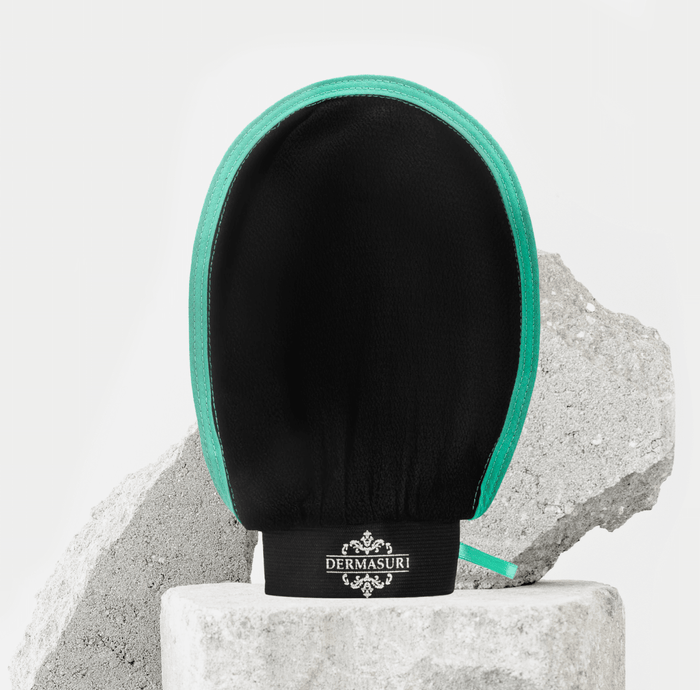
- A Korean exfoliating washcloth is a textured body cloth, inspired by Korean bathhouse scrubbing, that buffs away dead skin on damp, softened skin.
- Soak in warm water for about 5 to 10 minutes first, and skip body wash at first so the cloth has the grip it needs.
- Scrub in sections with firm but controlled pressure, starting at the ankles, and keep the cloth off your face.
- Moisturize while your skin is still slightly damp to turn the instant smoothness into softness that lasts.
- Once a week is a solid starting point for most people; resilient skin on rougher areas might go twice weekly.
Some body products feel nice. A korean exfoliating washcloth feels dramatic, in the best way. If you’ve ever stepped out of a long shower, used one correctly, and watched dull buildup start to roll away, you already know why people get a little obsessed.
This isn’t the same as rubbing on a scrub and hoping for the best. A korean exfoliating washcloth is all about visible payoff. It helps lift away dead skin that can leave your body looking ashy, feeling rough, and fighting with everything from self-tanner to body lotion. When your skin is prepped well, the rest of your routine just works better.
What Is a Korean Exfoliating Washcloth?
A korean exfoliating washcloth is a textured body cloth designed to manually buff away dead skin from the surface of the body. It’s inspired by the scrubbing rituals used in Korean bathhouses, where heat, steam, and friction come together to reveal ridiculously smooth skin.
The texture is the whole point. Unlike a soft washcloth that mostly cleanses, this type of cloth is made to create enough grip on damp, softened skin to remove the buildup your regular body wash leaves behind. That’s why the results can feel so instant. Skin often looks brighter right away and feels smoother the second you towel off.
That said, more friction is not always more results. Technique and timing matter, and so does your skin barrier.
In Korea, this kind of full-body scrub is part of bathhouse culture. At a jjimjilbang or a traditional bathhouse, people soak in warm water first, then scrub with a textured cloth often called an Italy towel. The at-home version borrows the same order: warmth softens the buildup, the cloth buffs it away, and moisture keeps skin soft afterward.
Can a Regular Washcloth Exfoliate?
A regular washcloth can give light exfoliation, but it mostly cleanses. A soft cotton cloth doesn’t have the texture to grip and lift the buildup a korean exfoliating washcloth is made to remove.
If you want to use a washcloth to exfoliate your body, a textured exfoliating cloth or towel is the better pick. Use it on damp, softened skin and follow the same steps below. For a side-by-side look at cloths and other shower tools, see our washcloth vs. loofah comparison.
Why the Korean Exfoliating Washcloth Gets So Much Hype
There are plenty of exfoliation options out there (acids, body scrubs, dry brushes, buffing mitts, and cleansing tools). The reason this one stands out is simple: you can often see it working.
That visible exfoliation is part of the appeal, but the shock factor is only half of it. Removing the layer of dry, lingering skin can help soften rough patches on arms and legs, improve the look of dullness, and make body care products absorb more evenly. If you deal with flaky skin on your calves, buildup around the knees and elbows, or uneven texture before shaving, this kind of exfoliation can make a big difference fast.
It can also be helpful before self-tanning. Smooth, freshly exfoliated skin tends to grab color more evenly than dry, patchy skin. If your tan always clings to rough areas and fades weirdly, your prep step may be the issue. Scrub the day before you tan, or earlier on the same day, so skin has time to settle. Our guide on how to exfoliate before self tanning covers the timing and the spots to focus on.
How to Use a Korean Exfoliating Washcloth the Right Way
The best results usually happen when you do less, not more. You want skin to be softened by heat and water before you start scrubbing. Think bath, long shower, or steam, not a two-minute rinse.
Start with softened skin
Soak in warm water for several minutes first, about 5 to 10 minutes. Keep it comfortably warm, not so hot that you come out flushed and dry. This helps loosen surface buildup so the washcloth can lift it away. If you try to use it on dry skin or too early in the shower, you’ll probably get more irritation than payoff.
A key detail people miss: skip body wash at first. Soap can make the skin too slippery, which reduces the friction the cloth needs to do its job. Use the washcloth on clean, wet skin after soaking, then go in with cleanser afterward if you want.
Wet the washcloth, then wring it out so it’s damp rather than dripping. A damp cloth gives you more control. While you scrub, step out of the direct water stream.
Use firm but controlled pressure
Slip your hand into the cloth or wrap it around your palm, depending on the style. Then scrub in short, steady strokes. Some people prefer up-and-down motions, while others use small circular passes. Either can work, but aggressive scrubbing is where things go sideways.
You’re aiming for enough pressure to exfoliate, not enough to leave your skin hot, stinging, or raw. If you see a bit of rolled skin buildup, great. If you don’t, that does not always mean it isn’t working. Skin condition, humidity, how long you soaked, and the cloth texture all affect what you see.
Work in sections so you don’t go over the same spot again and again. Start at the ankles and move up the legs, then do the arms and torso. Longer strokes suit legs and arms, and small circular passes help on knees and elbows.
Focus on the body, not the face
This is a body tool. Areas like arms, legs, shoulders, back, knees, and feet are usually the best fit. The skin on your face, neck, and chest is often too delicate for this level of friction.
Use extra care around bony areas or spots that are already irritated. If you’ve recently shaved, waxed, or had a sunburn, wait.
If you want to exfoliate your face, skip the washcloth and reach for a face-specific tool with a lighter touch, like the Deep Exfoliating Face Scrub. Facial skin is thinner and more reactive than the skin on your legs.
Your back is the other tricky spot. It’s hard to reach with a small cloth, so a longer towel or the Deep Exfoliating Back Scrub lets you cover it without awkward twisting. Feet can usually handle more focused work, especially on callused heels and dry outer edges.
Finish with moisture
Exfoliation and hydration are a power couple. Once you rinse off and pat dry, go straight in with body lotion, body oil, or cream. Freshly exfoliated skin tends to feel especially soft after moisturizing, and that post-shower glow is exactly why this ritual has such a loyal following.
Put it on while your skin is still slightly damp. That step turns the instant smoothness into softness that lasts.
Using a Japanese Exfoliating Towel With Body Wash
A Japanese-style exfoliating towel works two ways: on its own for a deeper scrub, or with body wash for a lighter everyday cleanse.
Our Japanese Exfoliating Shower Towel is a good example. Use it without soap about once a week when you want the deeper, buildup-lifting session described above. On other days, add a small amount of body wash for a rich lather and a lighter clean. Its long length also makes it easy to reach your back and shoulders.
Either way, the steps stay the same: soften first, scrub with control, rinse, and moisturize. After each use, rinse the towel, wring it out, and hang it to dry.
A Simple Korean Bath Ritual at Home
A Korean bath routine at home comes down to one order: heat, scrub, rinse, moisturize. You don’t need a spa visit or a whole afternoon.
- Soak in a warm bath or shower for 5 to 10 minutes, with no body wash on the areas you plan to scrub.
- Do the Korean scrub with a damp washcloth or mitt, one section at a time, starting at the ankles.
- Spend a little longer on rough spots like heels, and go lighter anywhere that feels tender.
- Rinse away the loosened skin, then wash with your cleanser.
- Pat dry and moisturize while skin is still slightly damp.
Once a week is plenty for most people. If you’re curious where this trend came from and why it took off, our post on the Korean exfoliation trend covers the bathhouse side of it.
Not sure where exfoliating fits with washing, shaving, and moisturizing? Our shower exfoliation order guide walks through each step.
Shop the story
Shop all Japanese Exfoliating Shower Towel
 Deep Exfoliating Glove Body Scrub
 Deep Exfoliating Back Scrub
Who Should Try a Korean Exfoliating Washcloth?
If your skin feels rough, looks dull, or sheds dry flakes the second you put on shorts, this kind of washcloth can be a strong addition to your routine. It’s especially appealing for people who want instant results instead of waiting weeks to notice a difference.
It can be great for rough elbows, dry legs, strawberry skin, and pre-tan prep. Some people also like using physical exfoliation to help reduce the buildup that can contribute to clogged pores or trapped hairs on the body.
But this is not a one-size-fits-all tool. If your skin is highly sensitive, easily inflamed, or compromised from over-exfoliating, proceed carefully or skip it altogether. Skin that’s dealing with eczema flare-ups, open cuts, active irritation, or recent cosmetic treatments usually needs a gentler approach. If your skin is sensitive but you still want to try it, use lighter pressure and space your sessions further apart.
How Often Should You Use It?
For most people, once a week is a solid starting point. If your skin is resilient and you’re focusing on rougher body areas, you might do it twice weekly. More than that can tip from satisfying into too much pretty quickly.
Over-exfoliation usually looks like redness that lingers, tenderness, tightness, or skin that suddenly feels more reactive than usual. If that happens, back off and let your skin recover. A smoother look is the goal. A stressed-out barrier is not.
Your tool matters here too. The Deep Exfoliating Glove Body Scrub is designed for a deep session once every 1 to 2 weeks, with water only. A Japanese-style towel used without soap fits a once-a-week schedule, and with body wash it can double as a lighter daily cleanse.
Korean Exfoliating Washcloth vs. Scrubs and Gloves
A body scrub can feel luxurious, but it often spreads exfoliating particles across the skin without the same level of direct friction. That can be enough for light maintenance, but not always enough for serious buildup.
Exfoliating gloves and mitts tend to offer a similar type of physical exfoliation, though the texture and intensity vary. Some are softer and easier for frequent use. A korean exfoliating washcloth is often chosen when someone wants that deeper, more traditional scrub experience and a very noticeable result.
Chemical exfoliants, like AHAs or BHAs, work differently. They loosen dead skin through ingredients rather than friction. For some people, especially those with sensitivity or body acne concerns, chemical exfoliation may be the better fit. For others, a physical tool delivers the immediate smoothness they want without adding another product layer. Our guide to physical vs. chemical exfoliation goes deeper on which suits which skin.
It really comes down to your skin, your goals, and how much intensity you enjoy.
| Tool | How it exfoliates | Often chosen for |
|---|---|---|
| Korean exfoliating washcloth or towel | Direct friction from a textured weave on damp, softened skin | Serious buildup, rough arms and legs, pre-tan prep |
| Exfoliating glove or mitt | Direct friction, with texture and intensity that vary by glove | A similar deep scrub with an easy grip; softer gloves for more frequent use |
| Body scrub | Exfoliating particles spread across the skin | Light maintenance between deeper sessions |
| Chemical exfoliant (AHA or BHA) | Ingredients loosen dead skin instead of friction | Some people with sensitivity or body acne concerns |
Common Mistakes That Can Ruin the Results
The biggest mistake is using it on skin that hasn’t been softened long enough. The second biggest is scrubbing like you’re trying to erase your kneecaps. Both can leave you disappointed.
Another common issue is pairing too many exfoliating steps together. If you used a strong acid body lotion, shaved, and then reached for a textured washcloth, your skin may not be thrilled. Exfoliation works best when the rest of your routine gives it room to breathe.
Using the cloth over body wash, oil, or a slippery scrub also works against you, because it cuts the grip the texture needs. Save those for afterward. And don’t press harder just to see more rolled-up skin. How your skin feels after is a better sign than what comes off.
Cleanliness matters too. Rinse the washcloth thoroughly after use and let it dry completely. A damp cloth left crumpled in the shower is not exactly the self-care fantasy. Wring it out, hang it up, and replace it every 4 to 6 months.
What Results Can You Realistically Expect?
Expect smoother skin right away, especially on the legs, arms, and rough patches. Expect lotion to feel better going on. Expect your skin to look less dull and more polished after one good session.
What you should not expect is for one exfoliating washcloth to fix every texture issue overnight. Ingrown hairs, body breakouts, chronic dryness, and uneven tone can all improve with consistent body care, but they usually need more than a single scrub. This is a strong step, not the whole routine.
That’s also why people who love exfoliation tend to build a ritual around it. Heat, exfoliate, rinse, moisturize, repeat. It’s simple and satisfying, and it works best with a little restraint.
Dermasuri exfoliation tools are inspired by the same Eastern bathhouse traditions, so this heat, scrub, and moisturize order works with each of them.
If you love that fresh-from-the-spa feeling and want skin that looks as good as it feels, a korean exfoliating washcloth earns its spot in the shower. Use it thoughtfully, listen to your skin, and prepare to be a little shocked by how much softer everything feels after.