Key takeaways
- Exfoliating can help body acne by clearing dead skin cells and surface oil that clog pores, but it is a support step, not an acne treatment.
- Never scrub over red, sore pimples. Work on the rough, calm skin around breakouts with light pressure.
- Exfoliating too hard, too often, or alongside strong acne products like benzoyl peroxide or retinoids can cause breakouts.
- Start once a week and go no more than twice a week on acne-prone areas.
- After exfoliating, cleanse with your body wash or acne wash and finish with a non-comedogenic moisturizer.
Body acne is a common skin concern that can affect individuals of all ages. Whether it's due to excess oil, sweat, or friction from clothing, body acne can make us feel self-conscious. A consistent skincare routine that includes gentle exfoliation can help keep pores clearer and skin smoother. Here is how exfoliating your skin can help with body acne, where it can backfire, and how Dermasuri products can assist in achieving a clearer, healthier complexion.
Causes of Body Acne
Body acne can occur for several reasons, including excess oil production, sweat accumulation, and clogged pores. Sweat from physical activity or hot weather can cause the skin to trap oils and dirt, which leads to acne breakouts. Tight clothing, especially fabrics that don't breathe, can also create friction on the skin, exacerbating the problem. In addition, bacteria and dead skin cells can easily clog pores, leading to inflammation, whiteheads, and blackheads.
Your back, chest, shoulders, and butt are common spots for breakouts. These areas have plenty of oil glands and spend much of the day under clothing, bra straps, workout gear, and sheets. Hormones, heat, shaving, hair products, and heavy lotions can all play a part too. If the skin on your chest feels rough and bumpy rather than red and sore, our guide to smoothing chest skin texture covers that side of things.
Exfoliation helps with part of this picture by removing the buildup of dead skin cells and surface oil that can clog pores.
How Exfoliation Helps Prevent and Treat Body Acne
Exfoliating can help body acne by clearing away the dead skin cells and surface oil that clog pores, which keeps rough, congested skin smoother and clearer. It is a support step rather than an acne treatment, and it should never go over red, sore pimples.
Exfoliating your skin regularly, and gently, helps keep pores clean and clear by sloughing off dead skin cells before they build up. It also lifts away excess oil sitting on the surface, which is one of the contributing factors to acne.
Where people go wrong is scrubbing harder at the breakouts themselves. The American Academy of Dermatology says scrubbing skin with acne makes the acne worse, and it lists abrasive scrubs, loofahs, and back brushes among the things that can cause a flare. So does exfoliating help with acne, and is exfoliating good for acne-prone skin? Yes, for the dead skin buildup around and between breakouts. No, for the breakouts themselves. Clearing active acne is the job of an acne wash or treatment, which you will find in the tips further down.
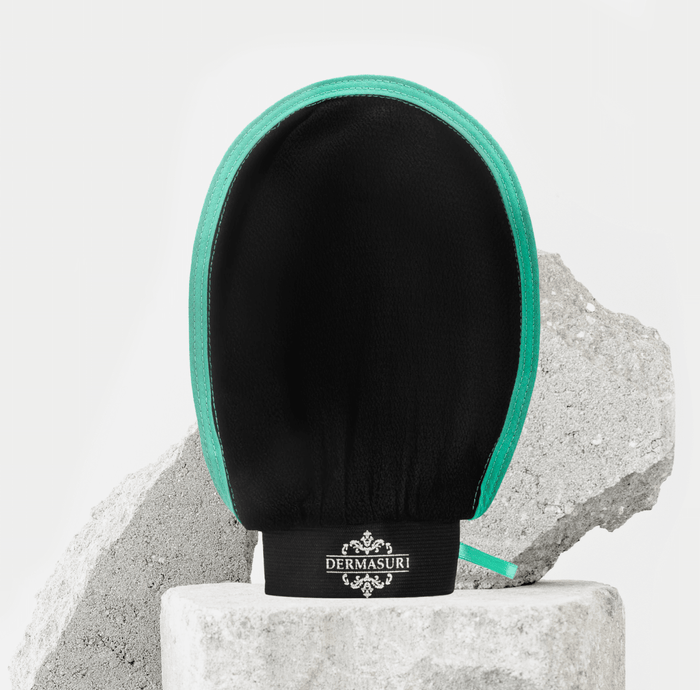
Dermasuri's exfoliating products, such as the Deep Exfoliating Glove Body Scrub, are designed to provide deep exfoliation without grit. These products work by lifting away dead skin cells as you move them over damp skin, leaving your skin feeling smooth and refreshed. Unlike gritty scrubs, there are no granules to drag across your skin, and you control the pressure, so you can go lighter on sensitive or acne-prone areas.
Can Exfoliating Cause Breakouts?
Yes, it can, when it is too hard, too frequent, or stacked on top of strong acne products. Exfoliating too often leaves skin red and irritated, and dermatologists caution that exfoliating while you use products such as benzoyl peroxide, retinol, or prescription retinoid creams may worsen dry skin or even cause acne breakouts.
The same goes for exfoliating your back. The usual trouble is pressure and stacking: scrubbing hard over existing bumps, or using a scrub and a strong acne wash in the same shower. If tiny irritated bumps show up after you start exfoliating, take a break for a week or two, then come back with lighter pressure and fewer sessions.
Skipping exfoliation does not cause acne by itself either. Dead skin cells that linger on the surface can add to a congested, uneven feel, though, which is where a gentle routine earns its place.
Do Body Scrubs Help With Acne?
Body scrubs can help with the rough, bumpy texture that comes with clogged pores, but gritty scrubs are a poor match for active breakouts. Granules dragged over inflamed pimples are the kind of abrasive scrubbing dermatologists warn against.
The AAD's advice for acne-prone skin is to keep things mild, and it notes that a washcloth and a mild chemical exfoliator may suit this skin type better than mechanical exfoliation. If you are weighing the two approaches, our guide to physical vs. chemical exfoliation explains how they differ. Sugar scrubs follow the same rule: use them on rough, calm skin like elbows, knees, and legs, and keep them off red, sore spots.
Shop the story
Shop all Deep Exfoliating Glove Body Scrub
 Deep Exfoliating Back Scrub
 Japanese Exfoliating Shower Towel
Benefits of Using Dermasuri Products for Body Acne
The best body exfoliator for acne is one that lets you control the pressure, and that control is the main benefit of Dermasuri's tools. A fabric glove or back scrub lets you smooth rough, congested skin with light, even pressure, and reach places like your back that are hard to exfoliate by hand.
Dermasuri's exfoliating products are designed to provide immediate results. After using the Deep Exfoliating Glove, many users notice smoother skin right away as dry skin rolls off, and continued use improves texture over time.
Another benefit of Dermasuri products is that you set the intensity. While other exfoliating methods may irritate the skin or strip it of its natural oils, you decide how much pressure to use and how often, which makes it easier to avoid over-exfoliation and skin damage. For acne-prone skin, that means lighter pressure, fewer sessions, and no scrubbing over active breakouts.
Each tool suits a different part of the body:
- The Deep Exfoliating Glove Body Scrub works on arms, legs, and other rough areas that are not inflamed. Use it with water only, and keep deep sessions to once every 1 to 2 weeks.
- The Deep Exfoliating Back Scrub has straps that let you reach your back and shoulders with even pressure. Use it with warm water only, 1 to 2 times a week at most, and go lighter over acne-prone areas.
- The Japanese Exfoliating Shower Towel is a long shower towel you can pull across your back while you wash with body wash, for a lighter pass on days you are already cleansing.
If back breakouts are your main concern, our guide to choosing a back scrubber for acne compares the options side by side.
How to Use Dermasuri Products for Maximum Effectiveness
Use Dermasuri tools on softened, damp skin with light pressure, skip any spot that is red or sore, and follow with an acne-friendly wash and a non-comedogenic moisturizer.
To get the best results from Dermasuri's exfoliating products, follow these steps:
- Moisten the skin: Use lukewarm water to soften your skin for a few minutes. Very hot water can leave acne-prone skin feeling stripped.
- Exfoliate: Gently rub the Dermasuri Exfoliating Glove or scrub over your skin in circular motions with light pressure. Use water only with the glove and back scrub, and work around active breakouts rather than over them.
- Rinse: Wash off any residue, then cleanse with your usual body wash or acne wash, and pat your skin dry with a clean towel.
- Moisturize: Always follow up with a hydrating body lotion to lock in moisture and keep your skin balanced. Choose one labeled non-comedogenic or oil-free.
If your skin is sweaty or covered in sunscreen, rinse that off with a quick, simple cleanse first, then exfoliate. Otherwise, exfoliate on soap-free skin, because soap makes the glove's surface too slippery to work well.
Use your hands as the test. If an area feels sore, hot, or tender when you press on it, skip it that day and exfoliate only the rough, calm skin around it.
How Often Should You Exfoliate if You Have Body Acne?
Body acne exfoliation works best on a gentle schedule: start once a week, and go no more than twice a week on acne-prone areas. For a deep session with the Deep Exfoliating Glove, once every 1 to 2 weeks is enough.
Rough areas without breakouts, like elbows, knees, and legs, can often handle a little more than your back or chest, so treat each area by how it responds. Smooth, comfortable skin the next day means the routine suits you. Stinging, lasting redness, flaking, or a rush of new tiny bumps means it is time to pause. On days you use a strong acne wash, skip the scrub and alternate the two instead. If you are new to all of this, our body exfoliation guide for beginners walks through the basics.
Can You Use an Exfoliating Mitt on Back Acne?
Yes, on the rough, non-inflamed skin around back breakouts, with light pressure, and never over red or tender pimples.
A mitt is hard to steer across your own back, and pressing hard to reach a spot is how irritation starts. A strap-style back scrub makes it easier to keep the pressure light and even across the whole area. For step-by-step technique, see how to exfoliate your back.
When Should You Skip Exfoliating Body Acne?
Skip exfoliating any area that is sunburned, broken, or already irritated, and let a dermatologist guide you if your acne is deep or painful. Leave these areas alone on exfoliation day:
- Sunburned skin, rashes, or an eczema flare
- Fresh shaving irritation
- Open blemishes, cuts, or spots you have picked
- Skin that is peeling from an acne treatment
- Skin you have recently treated with a chemical peel or a prescription retinoid, unless your dermatologist says exfoliating fits your plan
Gentleness matters even more if you get dark spots after breakouts. The AAD advises avoiding strong mechanical exfoliation if you have a darker skin tone or notice dark spots after acne, because aggressive exfoliation can lead to more pigmentation.
Not every bump is acne, either. Small, rough bumps that are not red or sore may be something else, and our roundup of products for body bumps covers those.
See a board-certified dermatologist if your breakouts are deep, painful, itchy, widespread, or leaving dark marks and scars. The AAD also notes that if a treatment has made no difference after six to eight weeks, you may need a dermatologist's help.
Other Skincare Tips for Preventing Body Acne
Exfoliation is one part of keeping body acne at bay; how you wash, what you wear, and what rubs against your skin each day matter just as much. In addition to exfoliating, other tips can help keep body acne at bay:
- Moisturize regularly: After exfoliation, use a hydrating, non-comedogenic lotion to replenish your skin's moisture. Acne-prone skin needs moisture too.
- Choose breathable clothing: Opt for loose cotton or sweat-wicking fabrics that keep sweat from sitting on your skin, and wash workout clothes after each use.
- Shower after exercise: Sweat can trap bacteria and oils, leading to breakouts. Showering immediately after physical activity helps keep skin clean. If you can't shower right away, change out of sweaty clothes.
- Use acne-fighting body washes: Look for a wash with salicylic acid, which helps clear pore buildup, or benzoyl peroxide, which kills acne-causing bacteria. Leave a benzoyl peroxide wash on for two to five minutes before rinsing, and rinse well, since it can bleach towels, sheets, and clothing.
A few small habits help as well. Conditioner and styling products can sit on your upper back and shoulders, so clip your hair up, finish your hair routine, then wash your body; our guide to shower exfoliation order lays out the full sequence. After each use, rinse your glove or back scrub, wring it out, and hang it to dry fully, and replace the glove every 4 to 6 months. Swap a backpack for a handheld bag when you can, since anything that rubs against your back can make back acne flare. And resist picking, which can turn a short-lived breakout into a longer-lasting mark.
Exfoliation is a useful step in preventing body acne when it stays gentle. By removing dead skin cells and helping keep pores clear, it can lead to clearer, smoother skin, while your acne wash handles the breakouts themselves. Dermasuri's exfoliating products give you a gentle, controlled way to smooth rough, congested skin, leaving it feeling refreshed. Add Dermasuri to your skincare routine, start slow, and pay attention to how your skin feels the next day. That soft, fresh, OMG-is-that-MY-skin moment is worth it. The stingy, over-scrubbed version is not.
Shop Dermasuri's exfoliating products today and take the first step toward clearer, smoother skin.